See below for our list of the best things to do in Setúbal, the dynamic, energetic city that tourists flock to and shake off its image as a bustling industrial port as soon as they start exploring.
In fact, this mistaken image of the town is based on Setúbal's apparent affinity with the sea. From the castle overlooking the port, the vast Atlantic Ocean unfurls towards a steel-blue horizon.
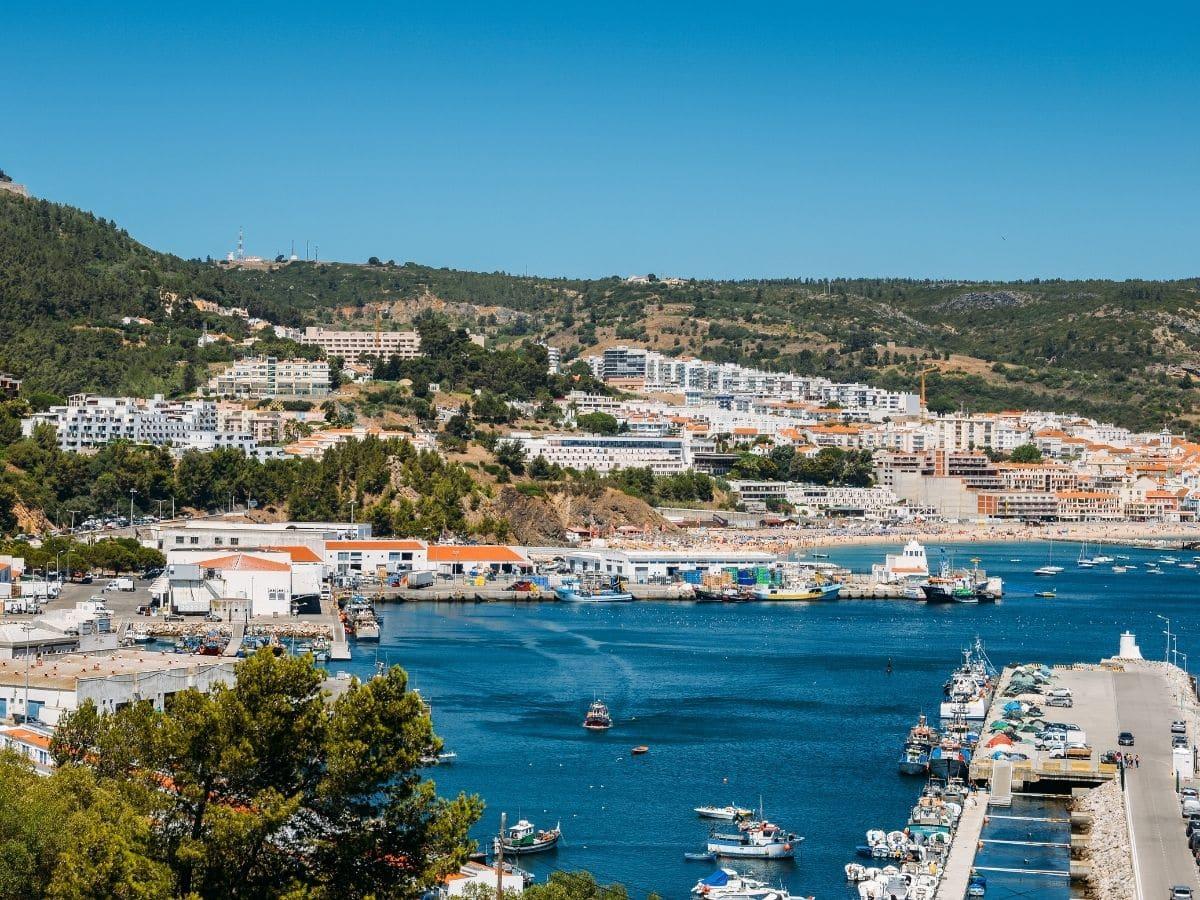
In the old town, the churches are clad in pleated stone, designed to resemble a twisted rope. Along the quayside, restaurants serve iconic dishes such as choco frito - fried cuttlefish seasoned with garlic and lemon juice.
In this fishing town, you can enjoy delectable seafood, and there is also a pod of dolphins in the estuary that you can meet on special cruises.
Outdoor enthusiasts can enjoy a hike in the magnificent Serra, to the west of the town. On the other side of the bay, an elegant seaside resort is the gateway to a secluded peninsula lined with golden beaches and shallow lagoons. Here, people farm and fish as the Romans did, and village life is a far cry from the city across the water.
Map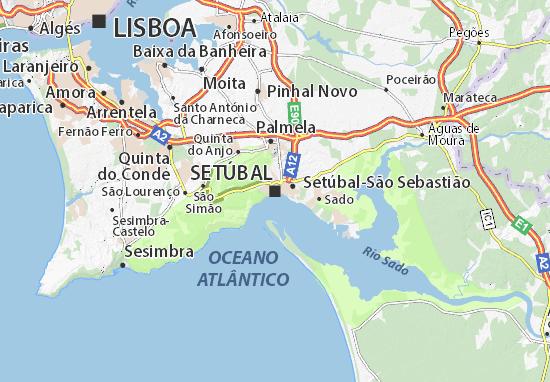 Accommodation
Setúbal is full of guesthouses, flats, manor houses and hotels.
We recommend these excellent Setúbal hotels, which offer easy access to the city's main sights:
RM Guest House - The Experience: luxury bed-and-breakfast, ideal location, wonderful hosts, elegant rooms, delicious breakfast.
RIO Art Guesthouse: charming mid-range hotel, friendly staff, eclectic decor, free breakfast.
Luna Esperanca Centro: affordable rates, central location, free breakfast with city views.
Hotel Ibis Setubal: budget hotel, close to the city centre, family rooms, outdoor swimming pool and terrace.
Architecture and historical monuments
This city dates back to Roman times, which left a very important historical and cultural legacy with centuries-old buildings and constructions in a variety of styles. In Setúbal's historic centre, every street, building, façade, pavement or balcony is a piece of the city's memory.
The Manueline style is dominant and characterises the city's monuments.
The Monastery of Jesus as an example:
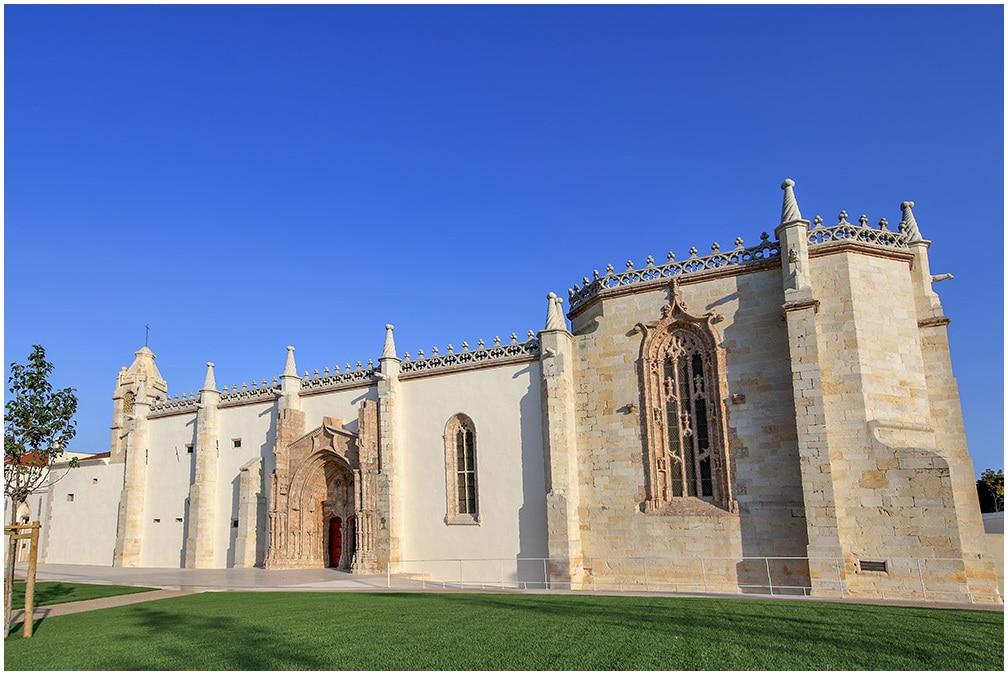
Setúbal's Monastery of Jesus was the first monument to be built in the Manueline style, or the Portuguese version of Gothic. Designed by the architect Diogo Boitaca, it served as a model for the Mosteiro dos Jeronimos in Lisbon, which followed his style, forms and structure. The cloister, adjacent to the beautiful church, completed its function as a monastery, housed a hospital for the city's sick, before falling into a state of inexorable neglect until 2013.
Gastronomy:
As in every Portuguese city, Setúbal's cuisine is rooted in the Atlantic Ocean.
Fish is served roasted, grilled, fried, stewed, etc.
The Portuguese trademark, grilled sardines, is also very popular here, accompanied by a simple lettuce and potato salad.
Atlantic horse mackerel, sea bass and red mullet, served in a fish liver sauce, are all wonderful.
Most traditional restaurants also offer choc frito, fried cuttlefish with chips, lemon and mayonnaise.
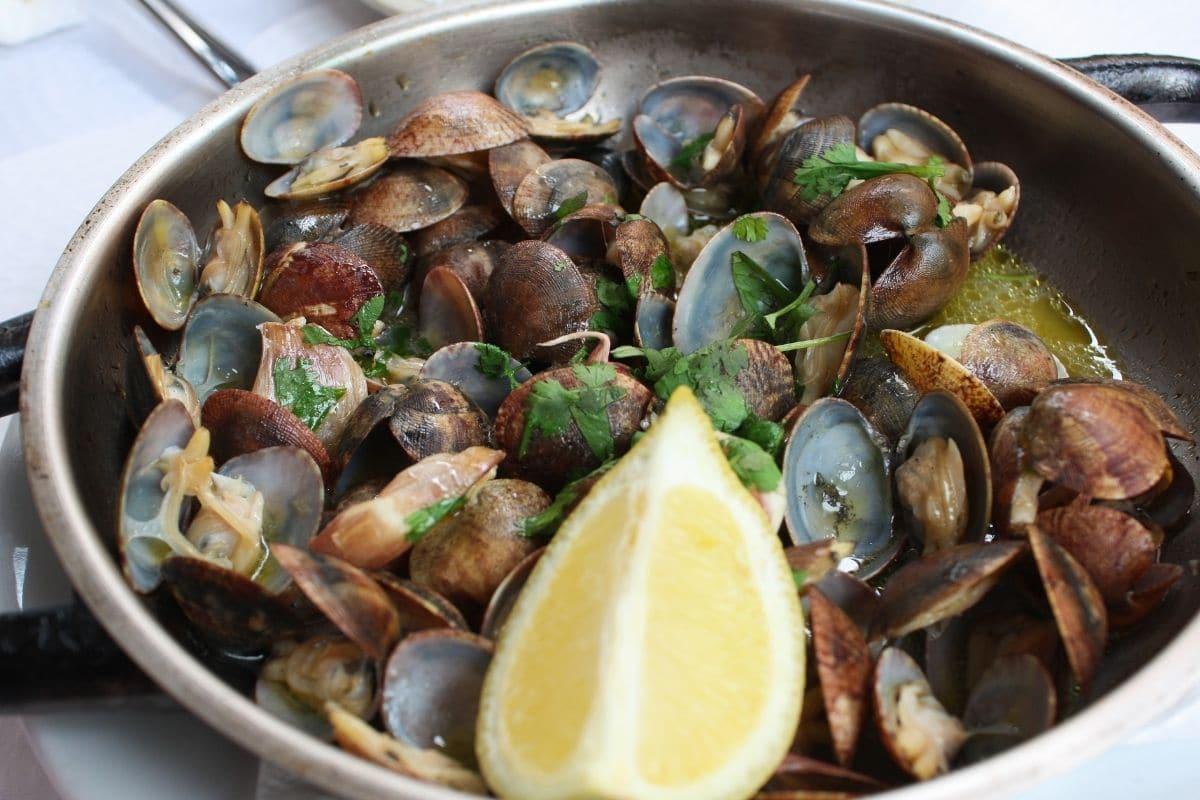
Finally, Bulhão Pato is clams with olive oil, garlic and coriander.
The 15 best things to do in Setúbal
Monastery of Jesus
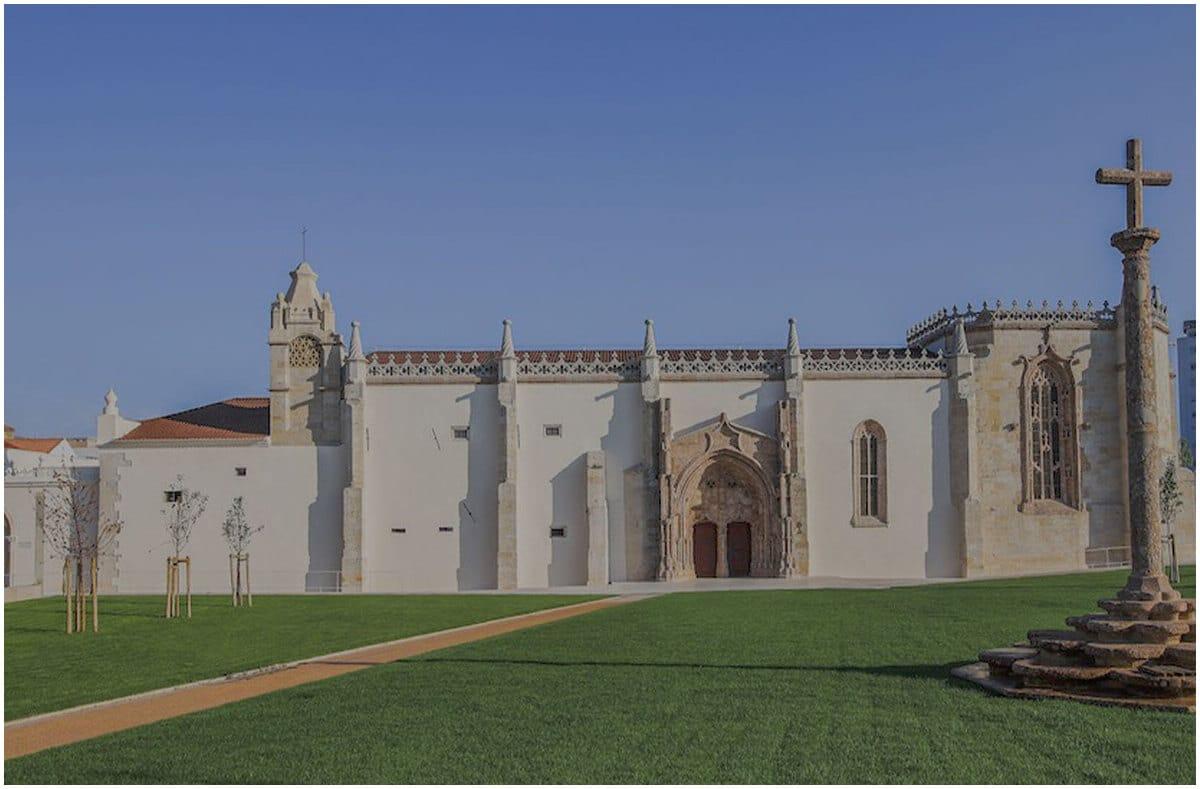
This breathtaking early 16th-century building was designed by Diogo de Boitaca.
He was the architect who inaugurated the Manueline style in Portugal, and the Monastery of Jesus is the oldest example of this architecture.
You can observe the building from the square in front, noting the gargoyle-adorned buttresses and the difference in outline between the nave and apse.
The highlight of the interior is the exquisite cross vaulting of the choir.
The azulejos are also very beautiful; in the apse they feature a geometric pattern, while in the nave they depict scenes from the life of Mary.
Arrábida Natural Park
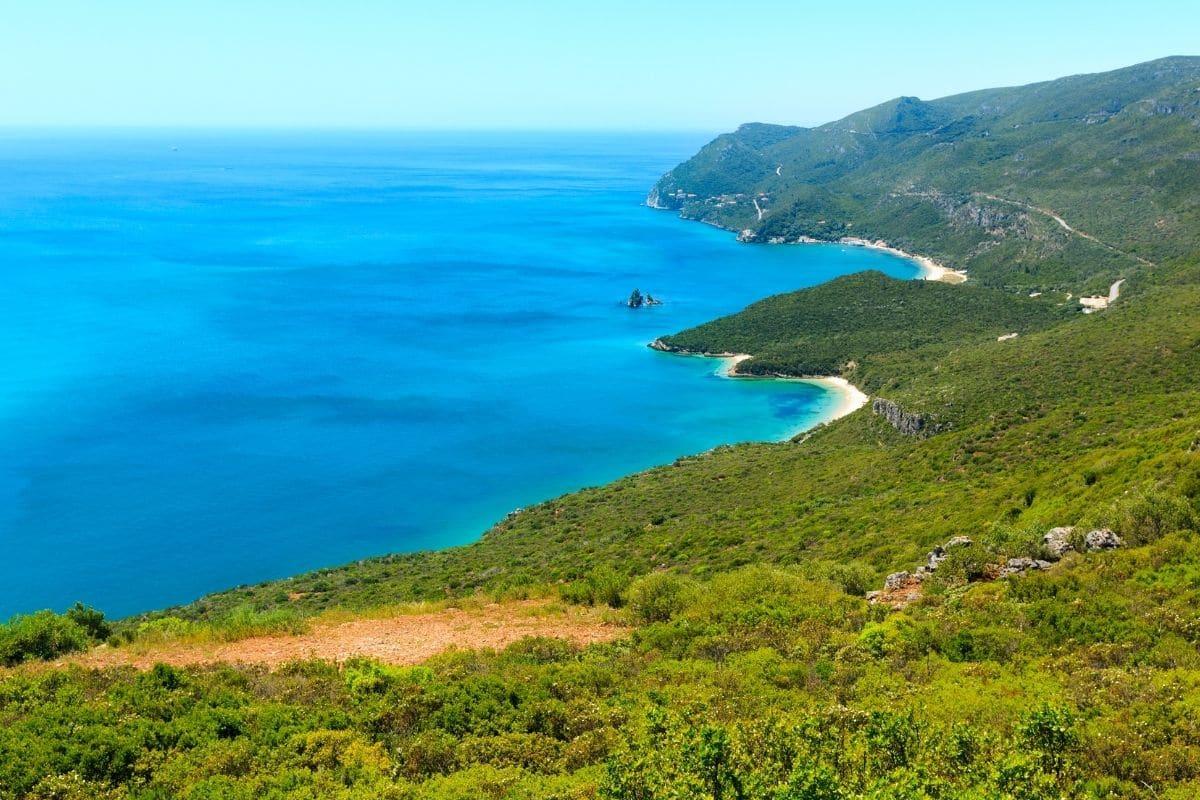
Starting to the west of the city, this huge area protects the Serra da Arrábida mountain range, with one of Portugal's only scrubland ecosystems.
It encompasses the entire coastline as far as the village of Sesimbra, 30 kilometres to the south-west.
As a result, every beach in this region is peaceful and natural, with no overpowering holiday complexes.
And because many beaches, such as the remote Praia do Creiro, face south, they are not exposed to the Atlantic.
At 380 metres above the Atlantic, experienced hikers can strap on their boots for an expedition to the Serra do Risco, the highest cliff in mainland Portugal, whose scenery is worth every step.
Quinta da Bacalhoa
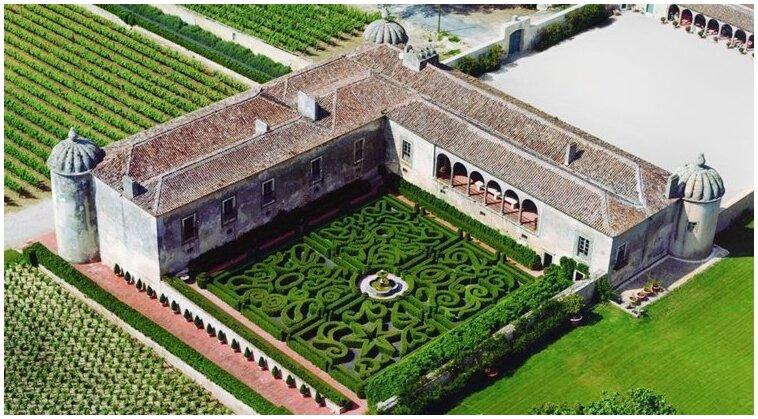
This estate is considered to be one of Portugal's finest surviving early 16th-century properties.
It lies at the north-western end of the Arrábida Natural Park and, since the mid-twentieth century, has been the centre of a productive wine-growing estate.
The attraction is therefore twofold: you can stop off for a guided tour of the quinta and its domes, loggia and splendid waterside pavilion, with an arcade and geometric Spanish tiles from the 15th and 16th centuries.
You can also visit the cellar/museum and enjoy a wine tasting session in this wonderful setting.
Mercado do Livramento
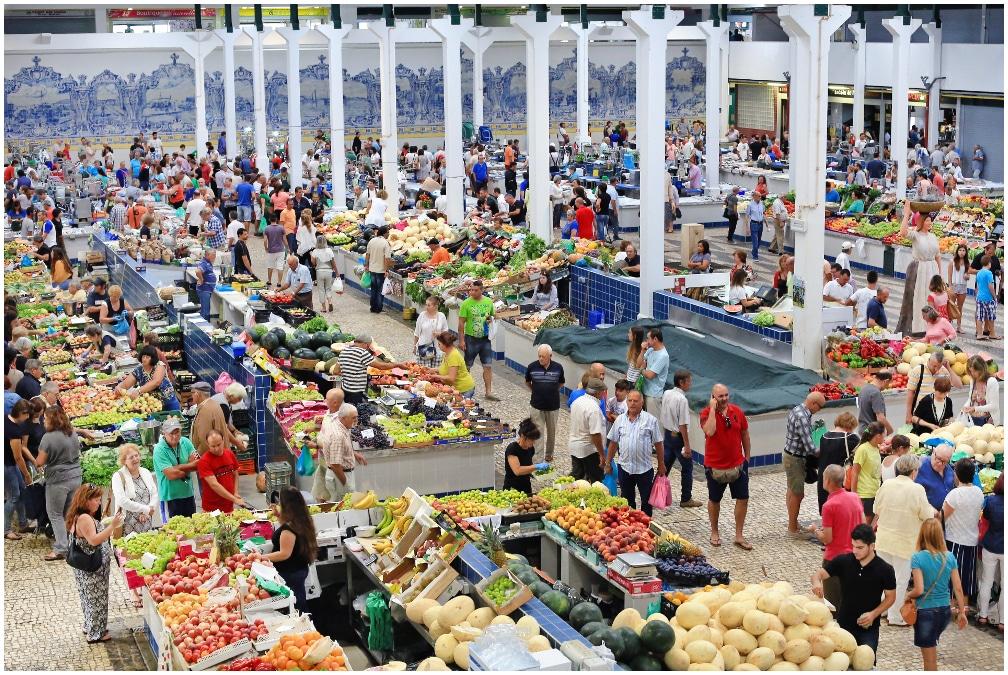
Just a few streets from the port is the divine Art Deco market, which opened its doors in 1930. The Mercado do Livramento features on lists of the best fish markets in the world (as signs in the market proudly state). And like the best markets, it feels a bit like a madhouse on busy days, with noisy but friendly vendors happy to help you get the most out of the food you buy.
Come and buy fresh fruit and veg, cheese, flowers, and ham.
But above all, be here for the fish and seafood, which is as varied as you've ever seen, and piled high on the counters.
Praia de Tróia
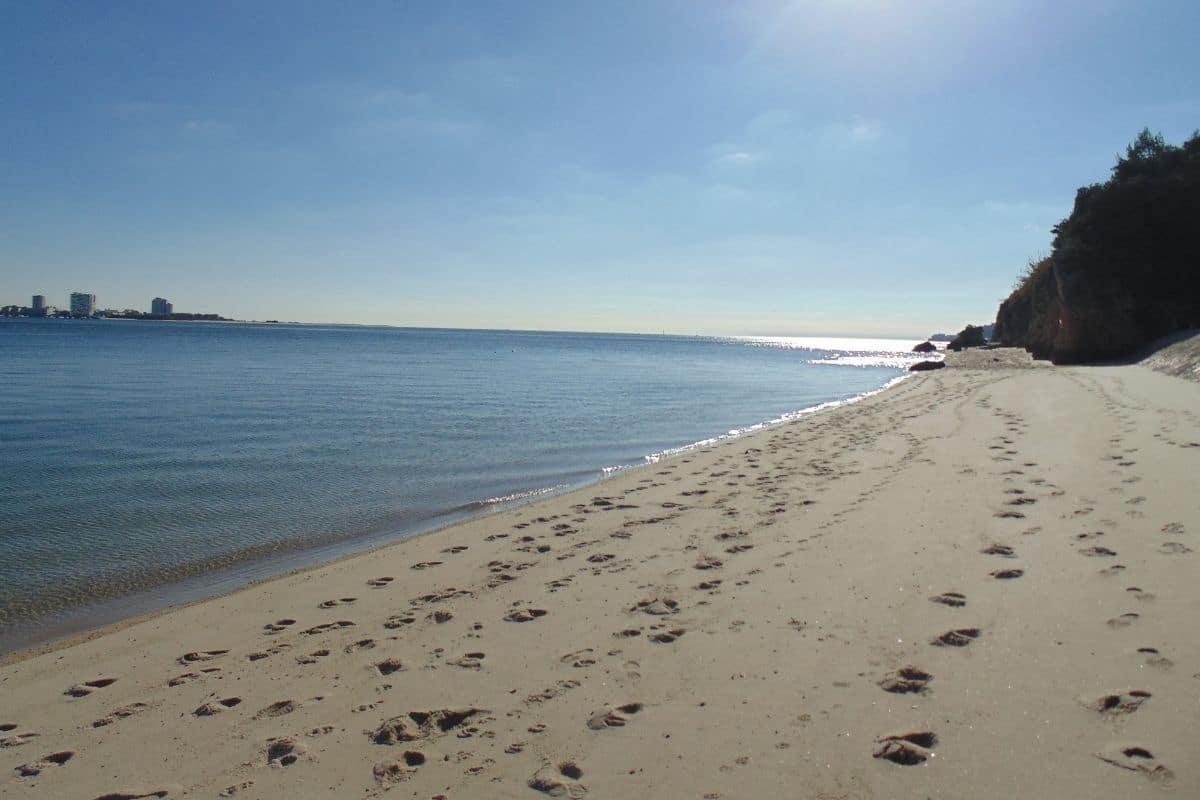
Your trip to Setúbal won't be complete without taking the ferry to this beach paradise at the tip of the Tróia peninsula.
Sheltered from the sea currents, the water is calm and transparent and the sand soft and white.
It's a scene you'd expect to see in the Caribbean, and the only thing that reminds you that you're in Europe is the temperature of the water, which is always a little cool! There is a hotel behind the beach, but due to its remoteness (it's a 90-minute drive from Setúbal), the resort is never overrun by tourists.
Igreja de São Julião
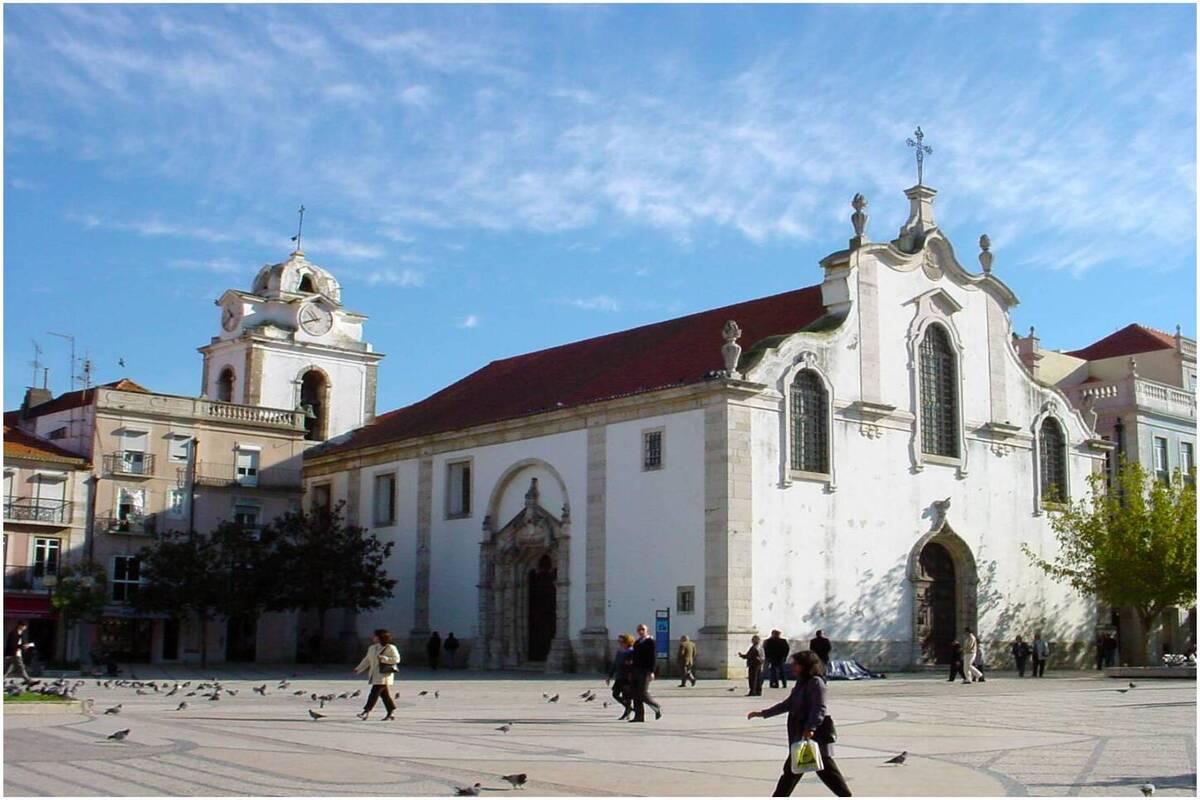
Setúbal's main church dates back to the 1200s, but all the current architecture dates from the 16th and 18th centuries.
There was extensive reconstruction in the Manueline style up until the 1520s.
It was during this period that the side portal was created, with its three-lobed arches, leafy motifs and carved rope motifs.
Inside, much of the design was altered after the famous earthquake that devastated much of the Lisbon region.
It was at this time that the choir received its extravagant gilded woodwork, which is the hallmark of the mid-eighteenth century.
The nave also features 18th-century blue and white azulejos depicting the life of Saint Julian.
Avenida Luísa Todi
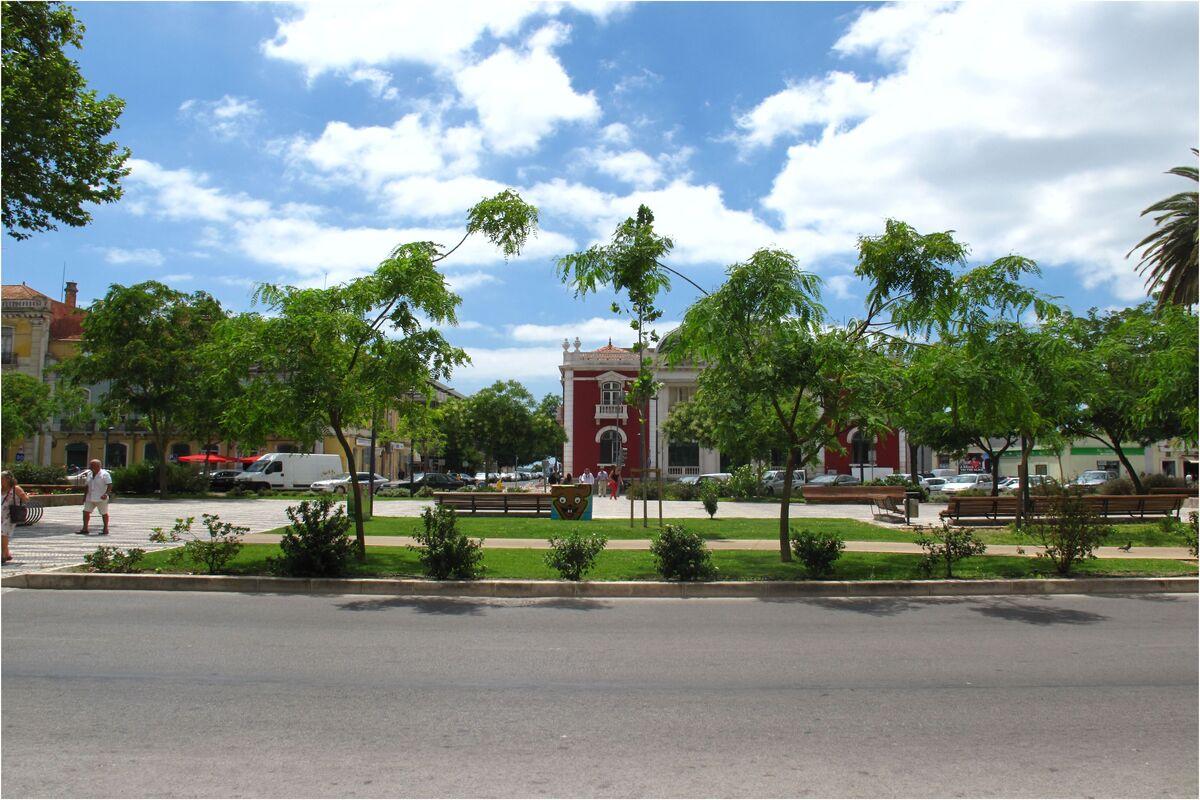
The city's central avenue, which encompasses the Mercado do Livramento and many of the main tourist attractions, allows you to immerse yourself in the rhythm of daily life in Setúbal.
It has two chaotic lanes of traffic, cushioned by a pedestrian walkway with lawns, benches and lots of foliage.
Along the roads are restaurants and bakeries if you're feeling peckish.
The antiques fair, held on the first and third Saturdays of the month, is well worth a note in your diary.
Praia de Albarquel
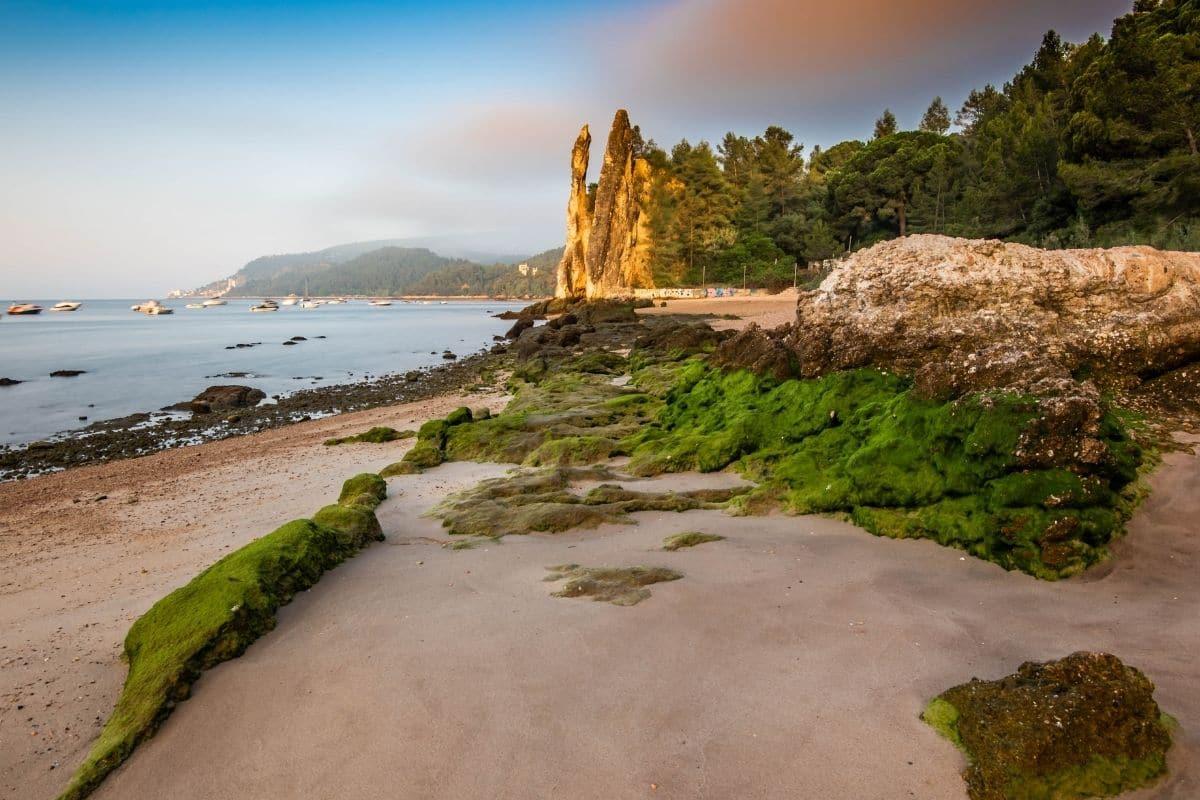
The nearest beach to the town lies beneath the pine-covered foothills of Arrábida Natural Park, starting just below the fort.
It's a tranquil spot where the River Sado meets the ocean; there's a long stretch of golden sand, and it's bordered by a large park, which was landscaped in 2008.
So, even in winter, you can go for a walk, stop off at the café, take your children to the playground and enjoy the view over Tróia and the natural park.
Castelo de Palmela
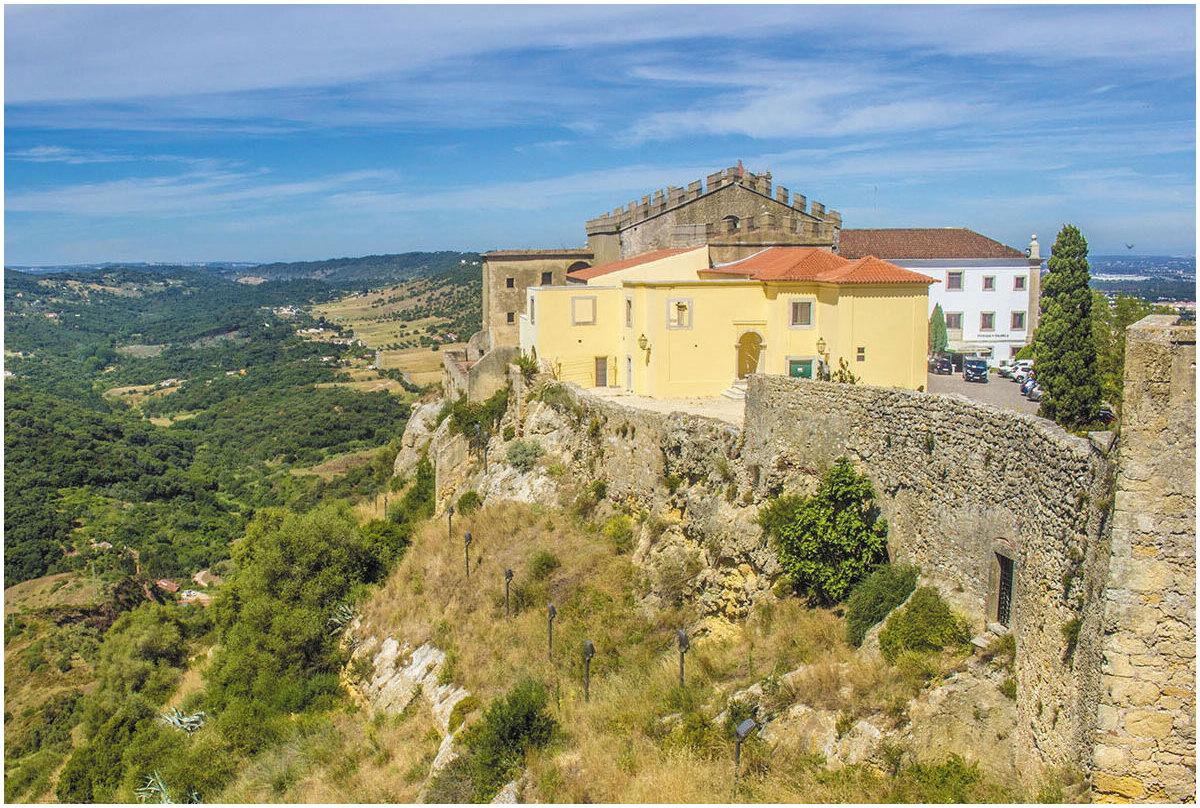
The Moors defended it with frightening ferocity before Christian forces finally conquered it, and Palmela Castle has remained in remarkable condition ever since hostilities ended in the twelfth century. Strategically positioned above this picturesque mountain town, the fortress underwent a facelift in 1423, when King João I extended and strengthened the walls and converted a large part of the building into a monastery.
Today, it is a stunningly beautiful pousada, a hotel of cultural importance. The castle's formidable ramparts can still be explored, and visitors can climb the 14th-century keep to capture mesmerising views of the surrounding Serra da Arrábida: on a clear day, even distant Lisbon comes into focus. For the best images of the castle, wait until dusk, when the spotlights bathe the walls in a copper bath.
Palmela itself is unremarkable, but any walk should include a visit to the church of São Pedro, whose interior is adorned with beautiful 18th-century azulejo (tile) panels.
Estrada de Escarpa
On the N379-1, you can immerse yourself in the natural beauty of the Serra da Arrábida without leaving your car.
In fact, you'll want to get out from time to time, as the road offers some magnificent views.
This is a 15-kilometre route that will feel much longer because of its winding route, and will take you around an hour to complete.
It follows the highest ridge in the range and offers views of Pico do Formosinho, which rises to over 500 metres.
Small white chapels are dotted along the way, and you'll pass the sixteenth-century Arrábida convent, perched above the beaches of Portinho and Alpertuche.
Museu de Arqueologia e Etnografia
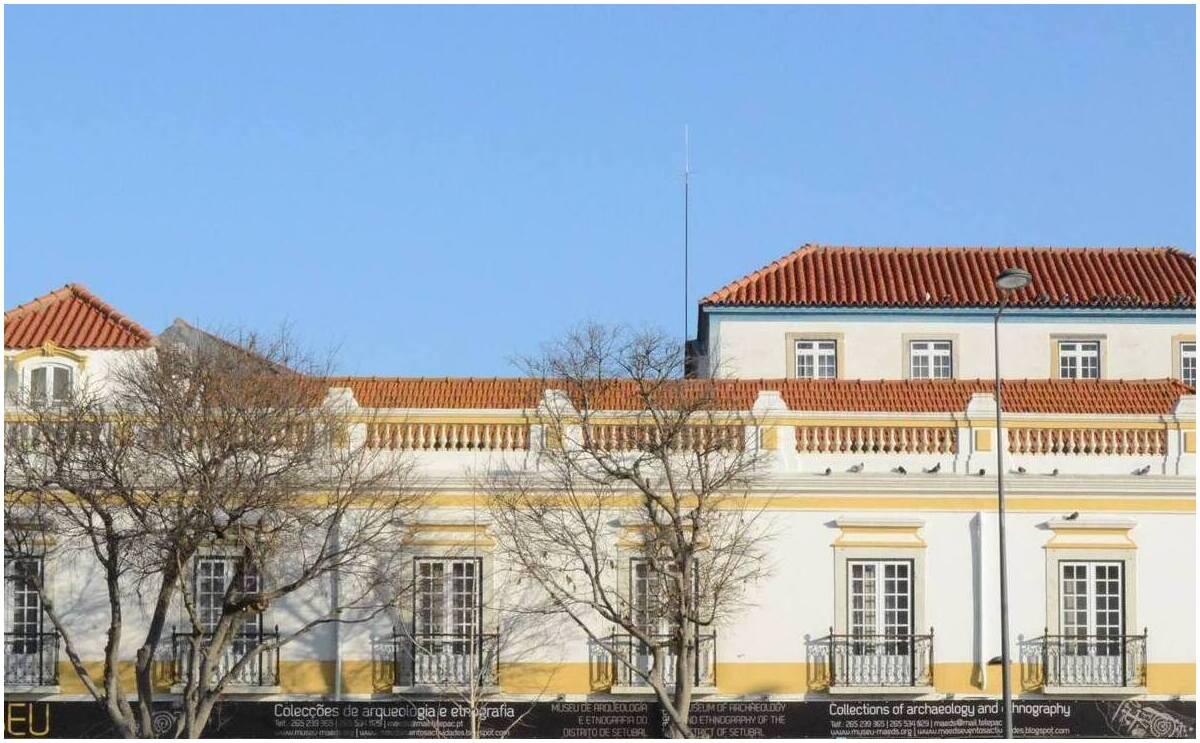
This modest museum focuses on archaeology and is also renowned for its ethnography collection. The permanent exhibition goes way back into prehistory, with simple stone tools from the Palaeolithic period among the oldest objects on display. Bronze Age pots and Roman coins are more prominent. A number of amphorae are on display, while the mosaic panels, also the result of Roman handiwork, remain one of the museum's highlights.
Visitors should also note the unusual 19th-century devotional paintings on wood depicting holy visions and miracles. Local and regional arts, crafts and industries make up the majority of the original ethnographic exhibition. The traditional costumes are delightful, and the assortment of boats and craft is the envy of any model boat enthusiast.
Castelo de São Filipe
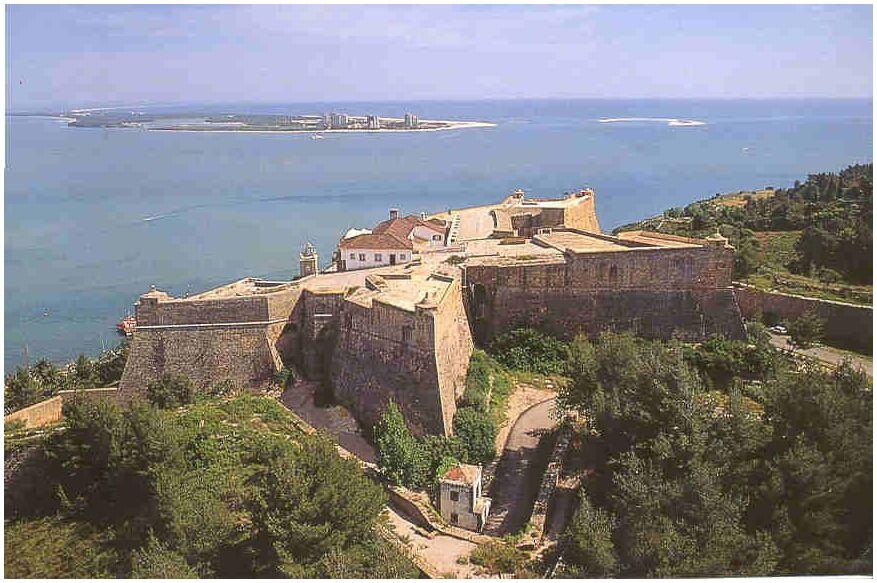
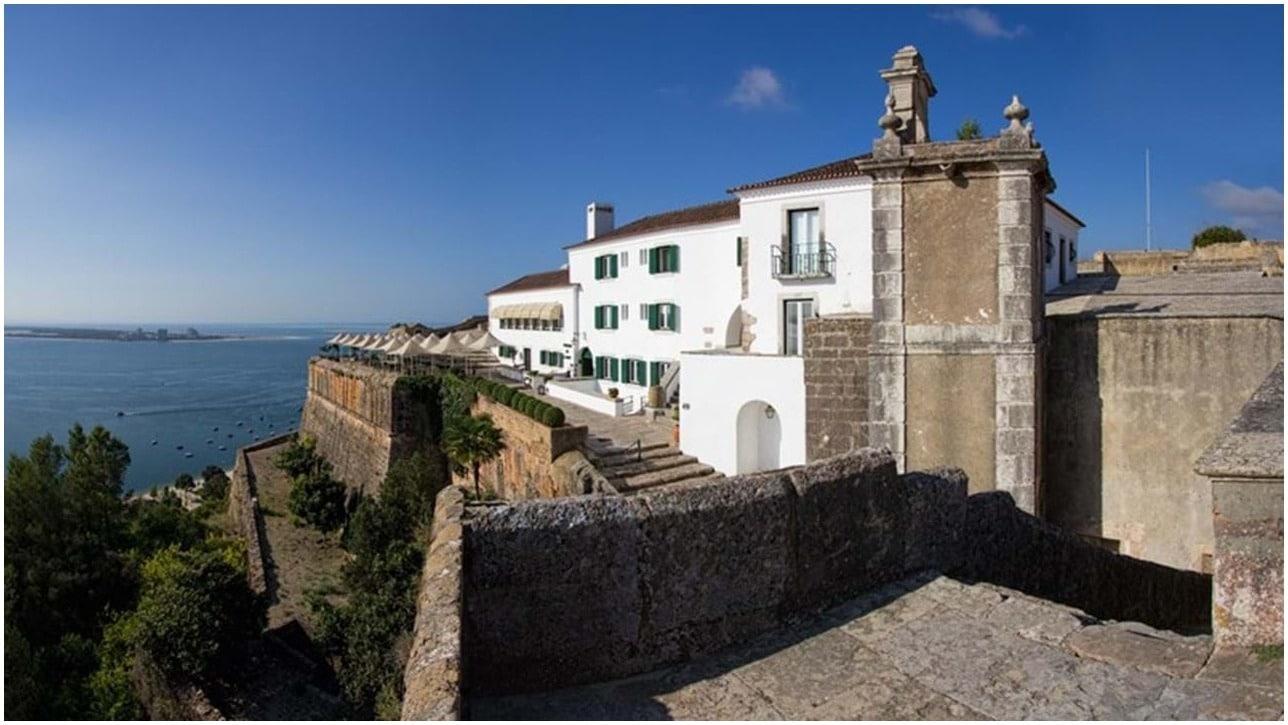
The town's castle dominates the skyline above Setúbal. The fort was built in 1595 on the orders of Philip II of Spain, according to a star-shaped plan originally designed by the Italian military engineer Filippo Terzi. The architect Leonardo Torriana, also Italian, ensured that everything remained in place.
Built under Spanish rule, the defensive fortress kept enterprising pirates and English invaders at bay. After the Portuguese reconquest, heavier, sturdier walls were added, along with a stone tunnel leading inside.
Today, it's tourists who lay siege to the castle, either to climb and play on the weathered bastions, or to stay at the pousada, an upmarket inn that has made good use of the 16th-century plans.
A small chapel covered in wonderfully detailed tiles is well worth admiring. But the real attraction is the inspiring panorama that encompasses Setúbal, the sparkling Sado estuary and the distant Tróia peninsula.
Reserva Natural do Estuário do Sado
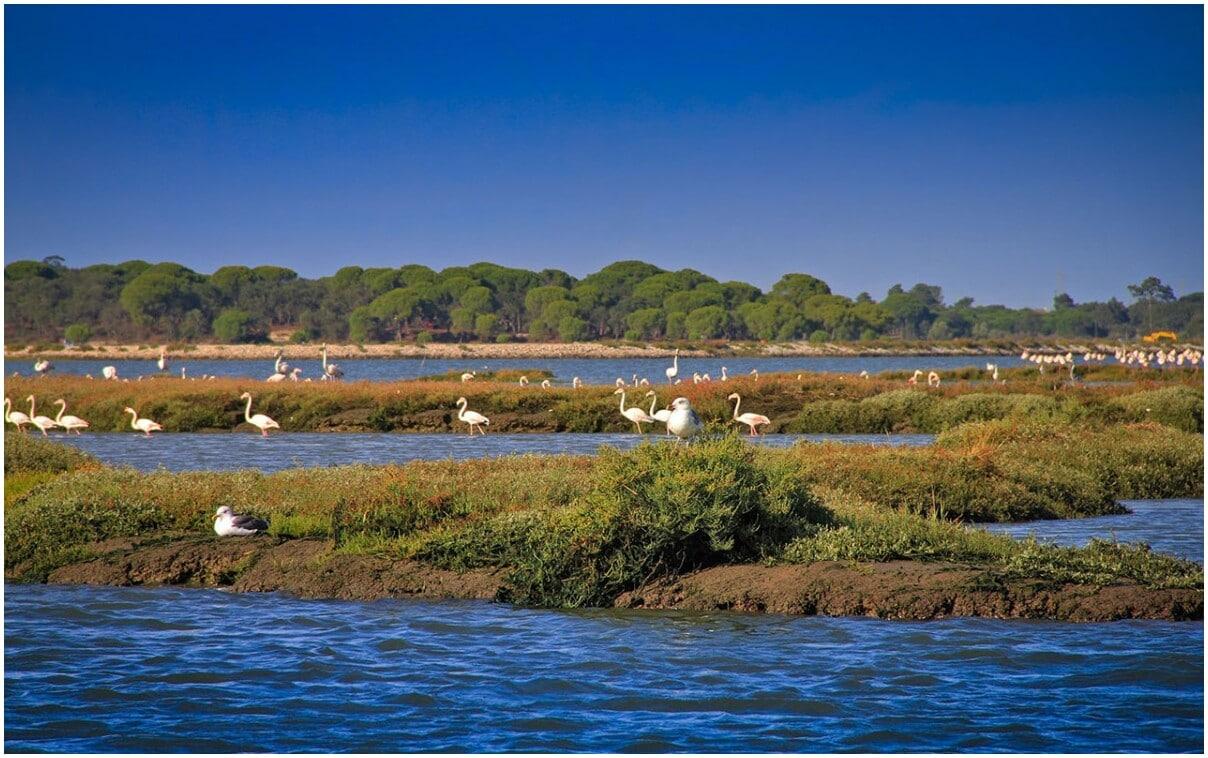
Birdwatchers flock to the Sado Estuary Nature Reserve. This 23-hectare nature reserve is home to an astonishing variety of bird species; around 220 have been recorded so far in the open water areas, shallow lagoons, reedbeds and mudflats.
The estuary is an important wintering ground for razorbill, marsh harrier, flamingo, purple heron and black-winged stilt, among others (serious birdwatchers should be here from October to February for the best photographic opportunities).
Mammals such as foxes, badgers, mongooses and the elusive genet roam the countryside. But it's the resident population of bottlenose dolphins that captures the imagination of most visitors. The estuary is their favourite place, offering them both food and shelter. This is good news for those wanting to get up close and personal with these graceful and intelligent creatures, with several tourist cruises based in Setúbal and Sesimbra, including the Dolphin Watch Tour in Sesimbra.
Convento da Arrábida
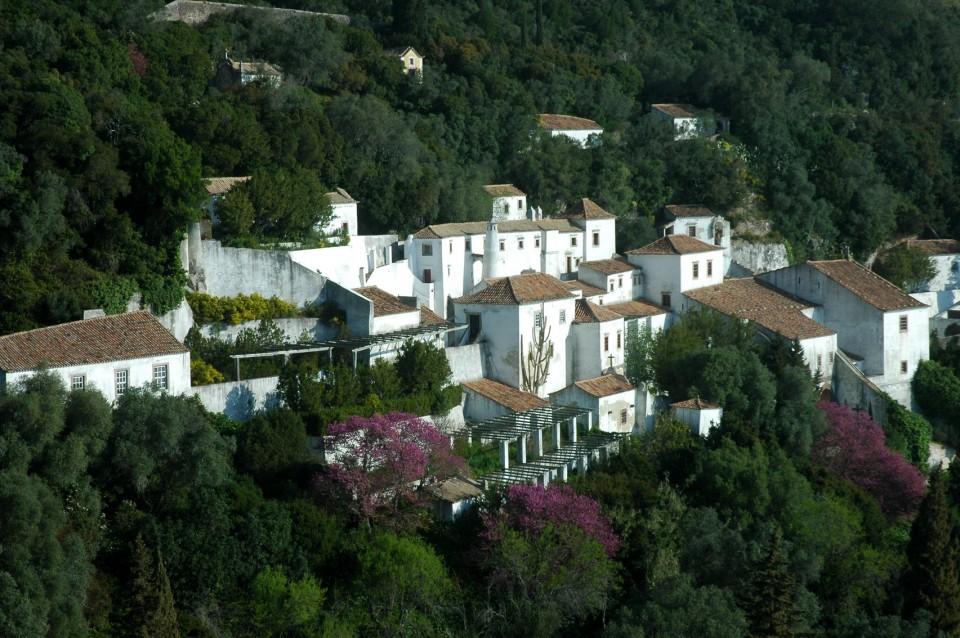
Boasting the most idyllic setting of any tourist site in the region, this 16th-century monastery is half-hidden among the trees of the Serra da Arrábida.
Founded in 1542, this complex of whitewashed buildings with terracotta roofs actually houses two monasteries. The ruins of the old convent are located on the highest part of the hill and are in a sad state of disrepair; the newer building - in much better condition - occupies lower ground on the slope.
The more recent Franciscan retreat overlooks the Atlantic Ocean, and the spectacular view is reason enough to venture to this remote destination. A visit to the site, however, will reveal the four chapels and a series of tower-like sanctuaries, probably used for meditation, that lie within the grounds. A number of cells carved into the limestone rock can also be visited.
The interior of the monastery is, for the most part, unremarkable, with the exception of the gilded woodwork and azulejo (tile) panels that embellish the walls.
Troia Ruinas Romanas
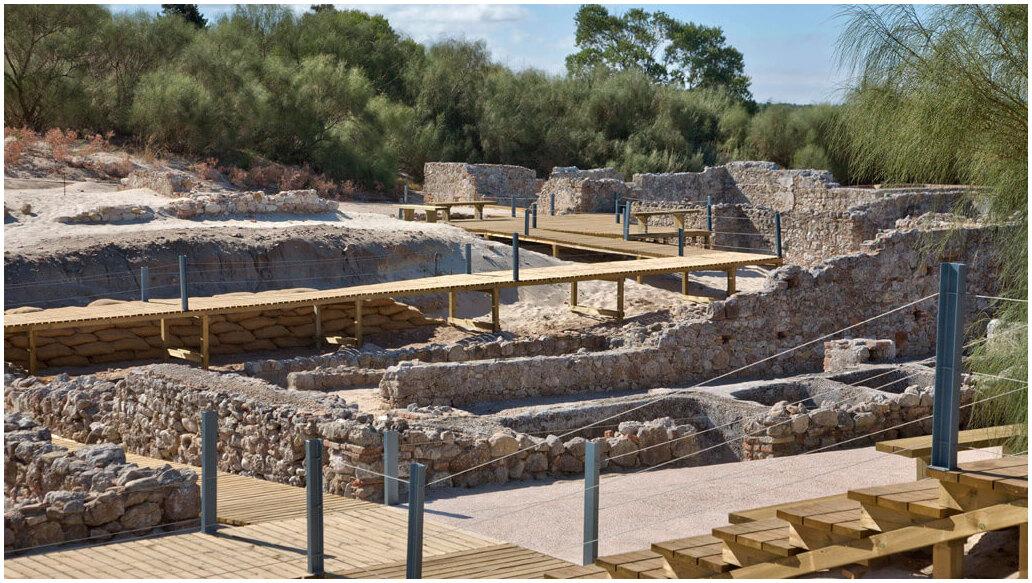
The Roman ruins of Troia (Troia Ruinas Romanas) cover 500 years of history dating back to the beginning of the first millennium. The lives of the city's ancient Roman occupants during this period can be explored and understood through what they left behind - cemeteries, heated baths and even stone tanks for marinating and preserving fish before shipping it throughout the empire.
Located opposite Setúbal, on the north-western side of the Troia peninsula, the complex includes almost 200 different fish-processing tanks, demonstrating the vast scales that were used in those days. Guided tours are probably the best way to get the most out of your visit, although it's also possible to walk the same streets as Julius Caesar's descendants independently.
Getting around Setúbal
Setúbal is essentially flat and can be explored on foot or by bike, unlike some of its neighbours (Lisbon, for example). Setúbal also has an excellent transport network, with trains and buses running throughout Portugal and beyond.
A ferry crosses the river to the popular seaside resort of Troia, operated by Atlantic Ferries. The ferry terminal is a 15-minute walk from the train station and around a 10-minute walk from the bus station. Ferries run approximately every 35 minutes and accept motorbikes, cars and campervans as well as foot passengers.
When to go to Setúbal
During the months of April, May and October, you're likely to enjoy fine weather, with pleasant average temperatures of between 20 degrees Celsius (68°F) and 25 degrees Celsius (77°F).
FAQ
How do I get from Lisbon to Setúbal?
Located 48 kilometres south-east of Lisbon, Setúbal can be reached in 40 minutes on the A2 toll motorway. The route takes you over the city's iconic 25 April Bridge.
There are excellent public transport links between Lisbon and Setubal. CP trains provide a direct service from Santa Apolónia station, with trains running approximately every hour.
Several bus companies operate from Lisbon to Setubal. Transportes Sul do Tejo express buses depart daily from Lisbon's Praça da Espanha and Gare do Oriente stations. Rede express buses depart several times a day from Lisbon's Sete Rios terminal.
What are the best beaches in Setúbal?
Praia do Ouro: The "golden beach" is aptly named, as it is one of the most beautiful stretches of sand in the region. Facing the seaside resort of Sesimbra, the generously sized beach slopes gently down to clear, shallow water. Praia do Ouro is renowned for its easy access for people with reduced mobility.
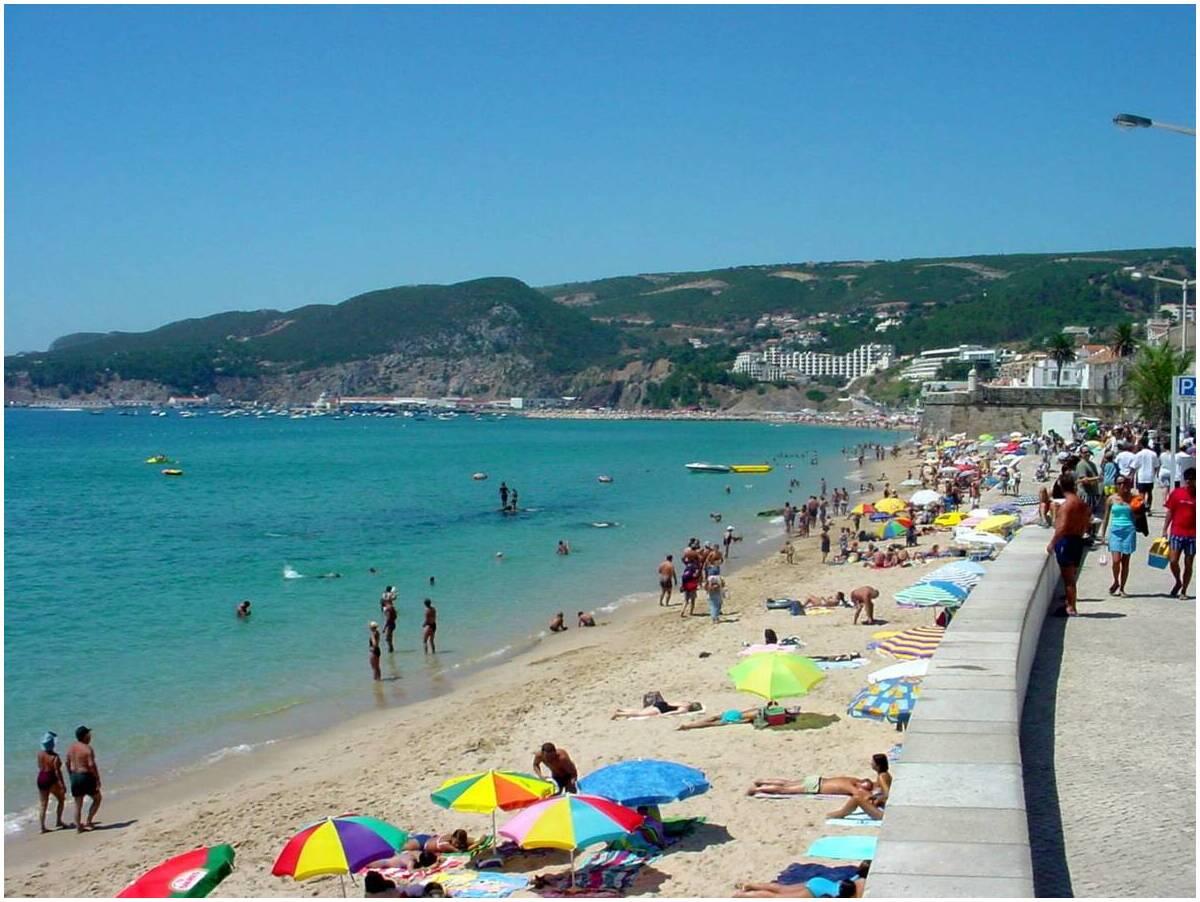
Praia do Ribeiro do Cavalo: With its perfect appearance and relative isolation, this beach is a delight to discover. Set in a cove and surrounded by steep cliffs, Praia do Ribeiro do Cavalo is not easy to reach. In fact, most people arrive here as part of a coastal hike in the Serra da Arrábida, or by boat from Sesimbra. You can also set off from Setúbal in a kayak to paddle along an extraordinary coastline, riddled with caves and caverns.
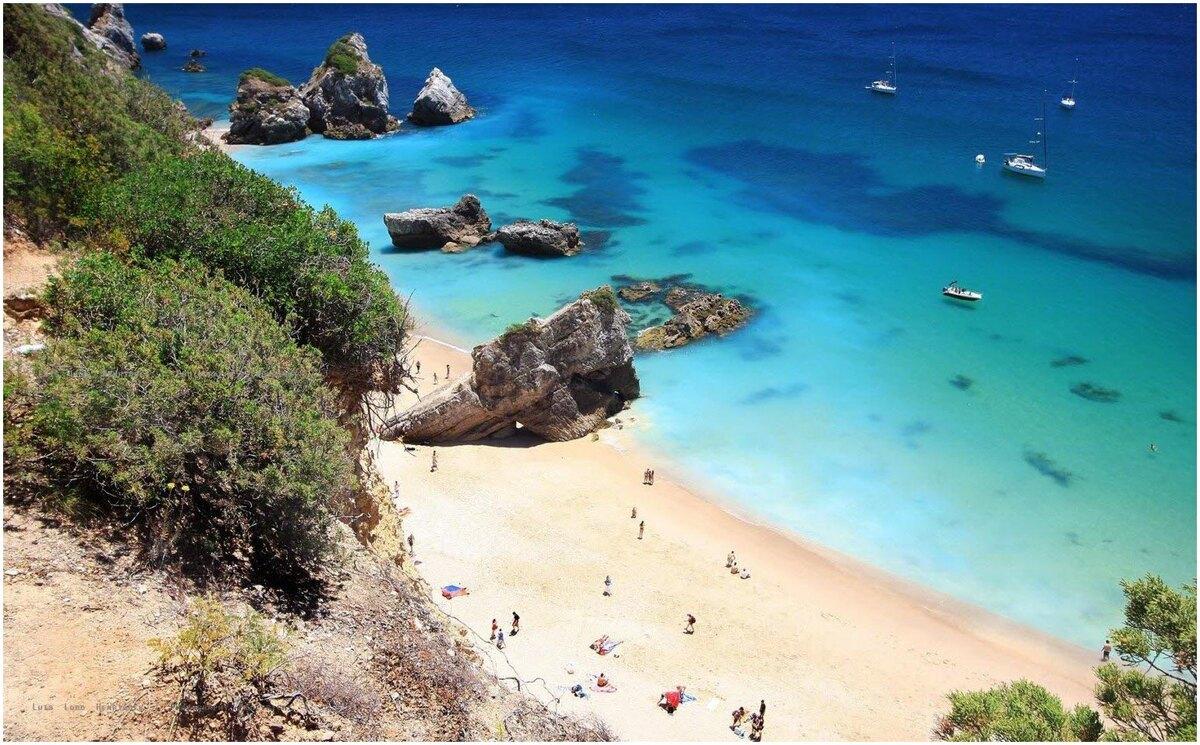
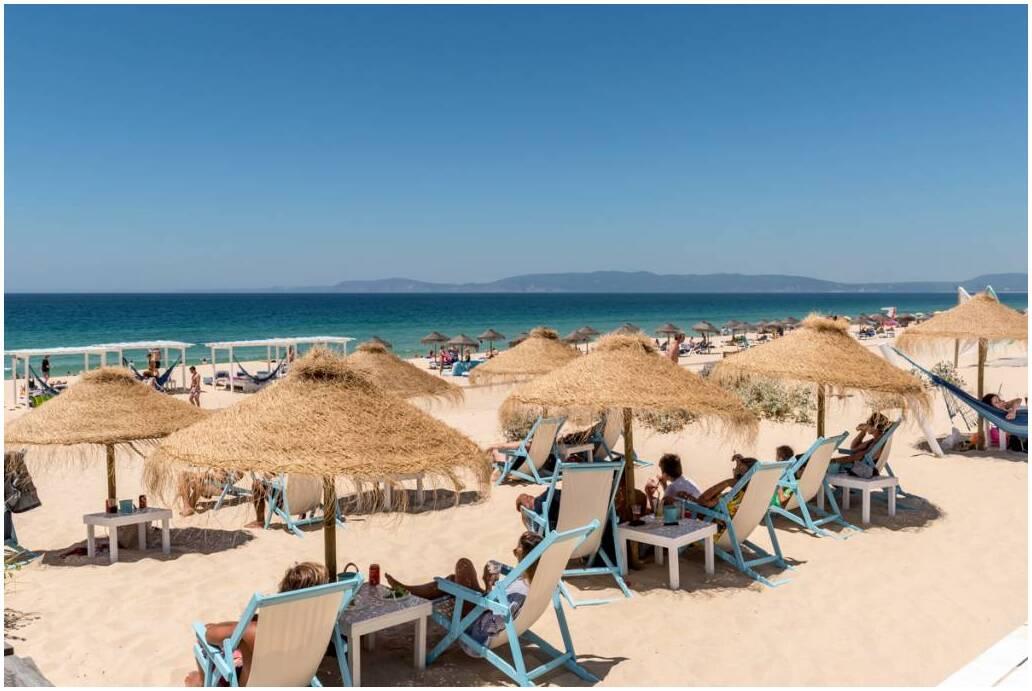
Praia da Comporta: Another beach worth visiting is Praia da Comporta - but to reach it, you'll have to cross the Sado estuary by ferry to the Tróia peninsula.
The peninsula, a narrow spit of sand that is actually part of the Alentejo, is bordered on the Atlantic side by a seemingly endless beach. The further south you go, the quieter the sand becomes. And Comporta is magnificent, a huge strip of soft sand served by a multitude of seasonal beach cafés and restaurants.
What are the best golf courses near Setúbal?
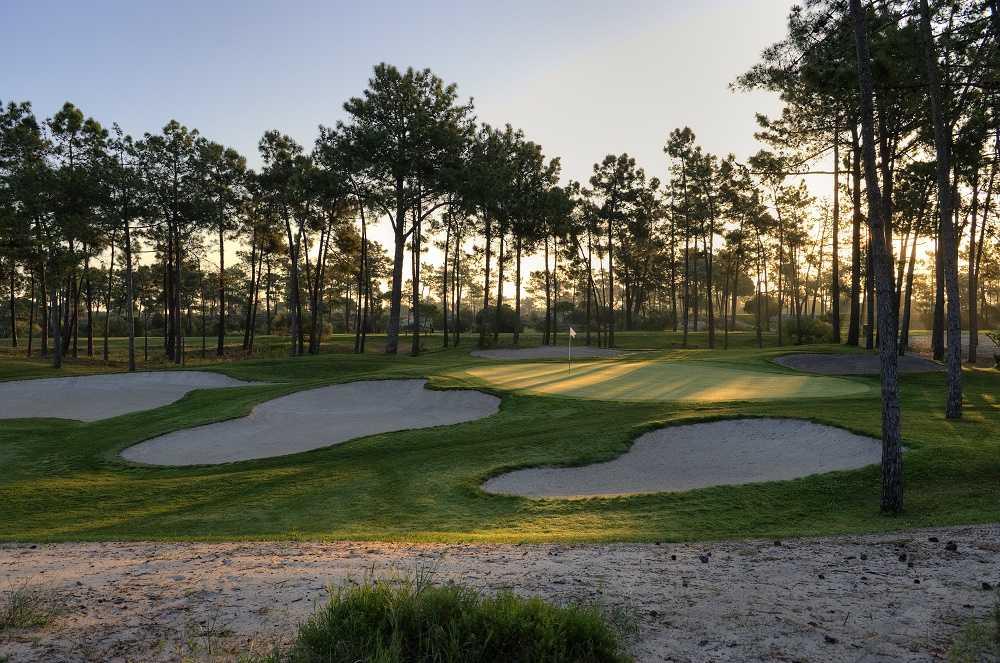
Tróia Golf: Located on the Tróia peninsula, the championship course is a spectacular course and one of Portugal's most fascinating golfing challenges.
The famous American golf architect Robert Trent Jones Sr chose Tróia's third hole as one of the best he had ever designed. No wonder this 18-hole par 72 course is regularly voted one of the best golf courses in the world.
What are the best seaside resorts near Setúbal?
Quinta da Comporta Wellness Boutique Resort: Set in the idyllic surroundings of a nature reserve, the Quinta da Comporta Wellness Boutique Resort offers villas, suites and rooms, all decorated in a chic-rustic style to create an organic and peaceful atmosphere.
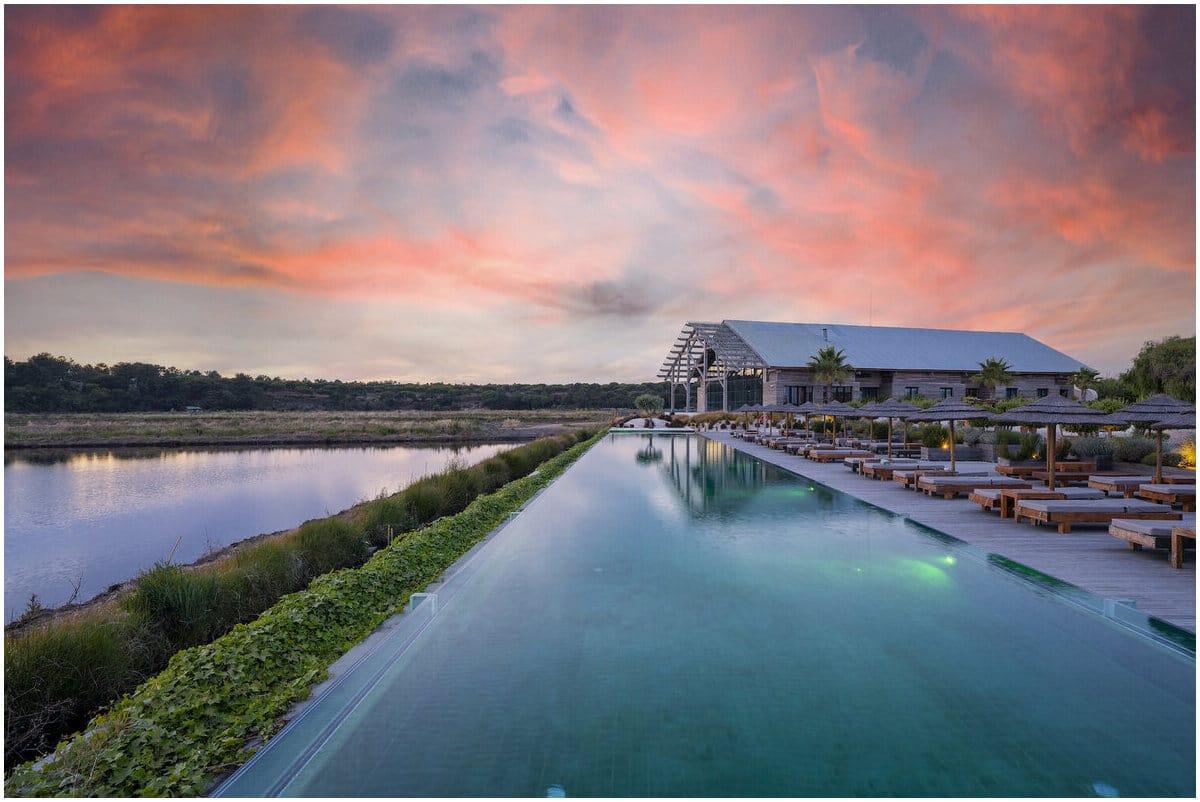
The restaurant offers a menu of seasonal Mediterranean-inspired dishes presented in a contemporary style, with ingredients sourced from the hotel's garden.
Guests can enjoy the Quinta da Comporta's wellness retreat, but are also encouraged to explore the immediate surroundings and discover its diverse cultural heritage and inherent charm.
Pestana Tróia Eco-Resort & Residences: Set on the tranquil Tróia Peninsula, the Pestana Tróia Eco-Resort & Residences comprises a collection of beautifully appointed self-catering villas and flats, many with a small private swimming pool.
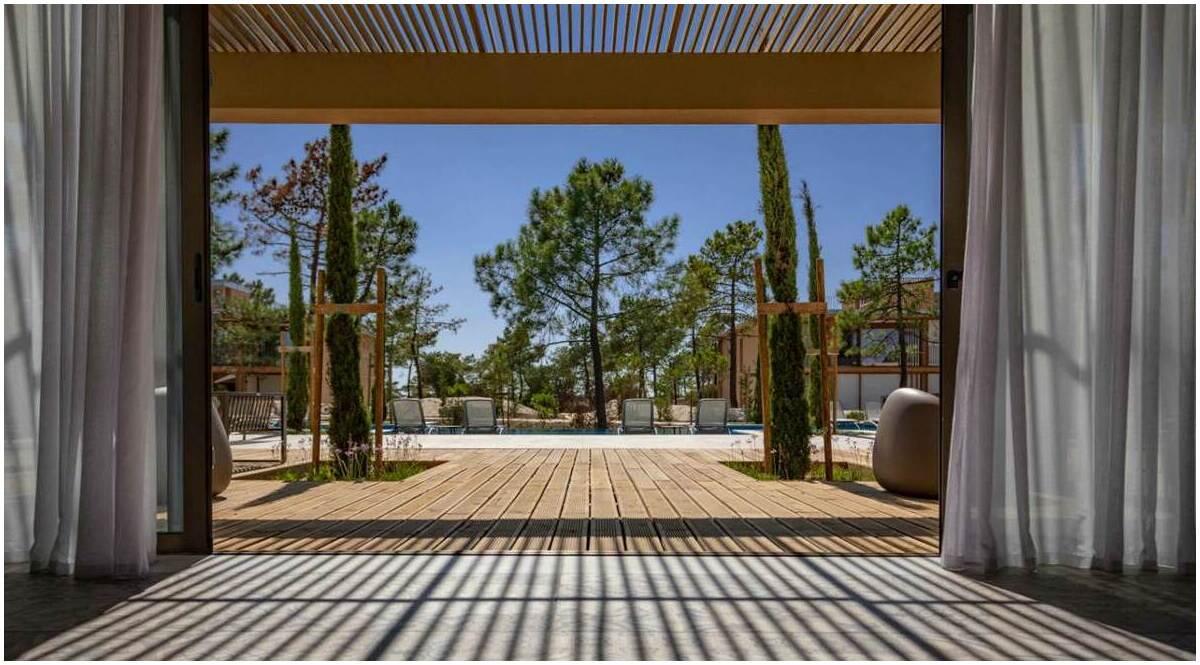
Hotel facilities include a small restaurant, indoor and outdoor public swimming pools, multi-sports facilities and a mini-spa. The beach is a 10-minute walk away. All in all, it's a great option for a family holiday.
Is Setubal worth a visit?
Setubal makes a pleasant day trip from Lisbon or Sesimbra. Setubal offers a varied range of activities and sights, while having a much more authentically Portuguese atmosphere than touristy Lisbon. The city is an ideal destination for discovering typical Portuguese daily life.